Largest Freshwater Lake in South Asia is Proud for India as the Loktak Lake (Meitei: Loktak pat) is a natural treasure and a significant tourist attraction in Manipur, India. It is the largest freshwater lake in Northeast India of South Asia and is famous for its unique floating phumdis (masses of vegetation) and diverse aquatic life. Loktak Lake has also been declared a Ramsar site, which signifies its importance as a wetland of international significance. In this article, we will explore the various aspects of this fascinating lake and its significance for the people of Manipur.
Geography and Formation
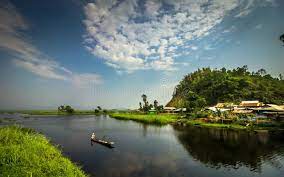
Loktak Lake is located in the northeastern part of India, in the state of Manipur. This lake was originated from the Manipur River at Moirang and flowed south of the capital city, Imphal. It is about 35 km long and 13 km wide that has a direct and indirect catchment area.It is situated about 53 km from the state capital, Imphal, and covers an area of approximately 300 square kilometres. The lake is a natural freshwater reservoir, and it is surrounded by hills and mountains on all sides. The lake is fed by several small rivers and streams, and its outflow is the Imphal River, which eventually merges with the Brahmaputra River in Bangladesh.
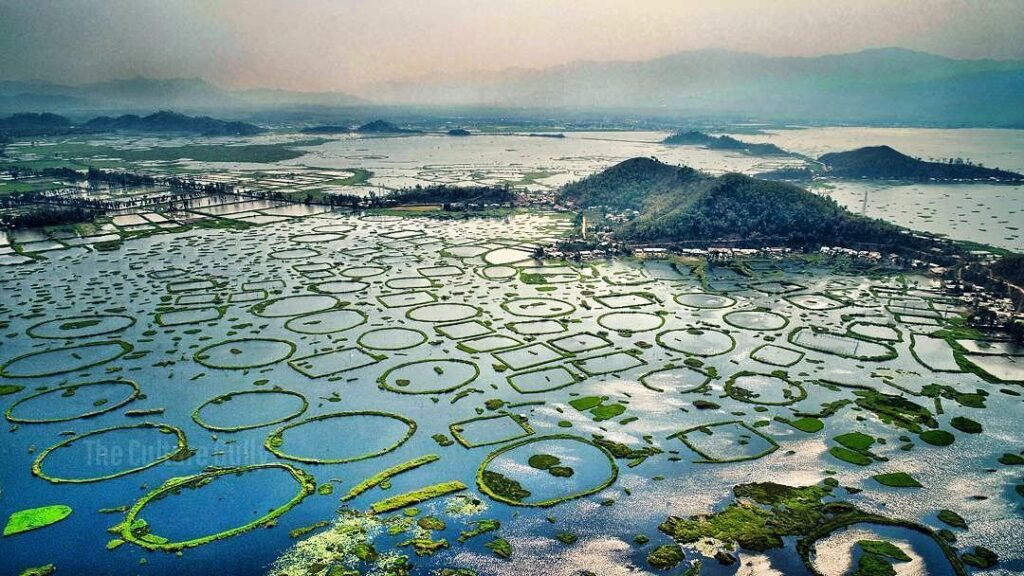
The unique feature of Loktak Lake is the floating phumdis, which are circular masses of soil, vegetation, and organic matter. These phumdis are found floating on the surface of the lake and are formed by the accumulation of decomposing plant material over time. The phumdis are of varying sizes, with some measuring up to several hectares in area. They are known for their rich biodiversity and are home to several species of flora and fauna.
Biodiversity and Conservation
Loktak Lake, the Largest Freshwater Lake of Manipur is a biodiversity hotspot and is home to several endangered species of flora and fauna. The lake and its surrounding wetlands are a critical habitat for the endangered Manipur brow-antlered deer (Sangai), which is the state animal of Manipur. The Sangai is a unique species of deer that is found only in Manipur, and its survival is closely linked to the conservation of Loktak Lake.
The lake is also home to several species of migratory birds, including the eastern white pelican, lesser adjutant stork, and spot-billed pelican. These birds flock to the lake during the winter months, attracted by the abundant food and favourable climate.
However, despite its ecological significance, this Lake is facing several threats, including pollution, encroachment, and overfishing. The lake is heavily polluted due to the discharge of untreated sewage and industrial effluents. The rampant encroachment of the phumdis has also led to the loss of habitat for several species of flora and fauna. The overfishing of the lake has resulted in a decline in fish populations, which has had a cascading effect on the lake’s ecosystem.
Efforts are being made to conserve the lake and its biodiversity. The government of Manipur has set up several conservation programs, including the Loktak Development Authority (LDA) and the Manipur Biodiversity Board. These organisations are working to restore the lake’s ecology, protect its biodiversity, and promote sustainable tourism.
Largest Freshwater Lake in South Asia.
Tourism and Cultural Significance
This largest freshwater lake is not only significant from an ecological perspective but also from a cultural and historical perspective. The lake is considered to be a sacred site by the Meitei community, who are the indigenous people of Manipur. According to Meitei mythology, the lake was created by the gods to provide a home for the Sangai deer. The lake is also associated with several folktales and legends, which have been passed down through generations.
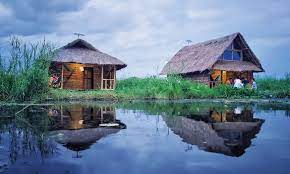
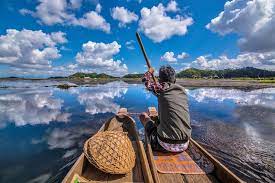
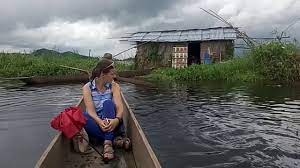
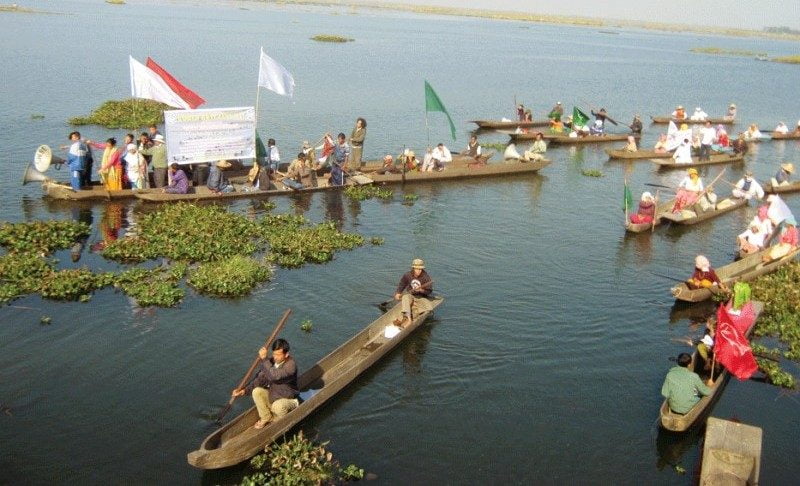
Loktak Lake is a popular tourist destination, attracting thousands of visitors every year. The lake’s unique floating phumdis and rich biodiversity make it an ideal location for nature lovers and adventure enthusiasts. The lake is also a source of livelihood for the rural fishermen who live in the surrounding areas and on phumdis, also known as “phumshangs”. Visitors can explore the lake by boat or take a stroll along the floating walkways and bridges that connect the phumdis. The lake is also a popular spot for fishing and bird watching.
In recent years, efforts have been made to promote sustainable tourism in the region. The government of Manipur has set up eco-friendly resorts and home-stays around the lake, providing visitors with a chance to experience the local culture and way of life. The local communities have also been involved in the conservation efforts, with several community-based tourism initiatives being set up around the lake.
Conclusion
Loktak Lake is a natural wonder of South Asia and a natural treasure it significants tourist attraction in Manipur. Its unique floating phumdis, diverse aquatic life, and rich cultural significance make it a must-visit destination for travellers. However, the lake is facing several threats, and it is crucial that we take steps to protect and conserve its ecological and cultural heritage.
Efforts must be made to reduce pollution, control encroachment, and promote sustainable tourism in the region. It is only through a concerted effort by the government, local communities, and tourists that we can ensure the survival of this natural wonder for generations to come. Let us all work together to protect and conserve the beauty and biodiversity of Loktak Lake.